
謝謝長庚工設給我的栽培。
這篇自我簡介是去年尾長庚工設針對學校校友的狀況所做的紀錄,跟大家分享。
長庚教育對我職涯的影響
現在我是個剛出社會不久的新鮮人,從事設計是我的志向,在前輩與同行的眼中,可能我是個衝動 企圖心強 適合追求理想的人,而這樣的特質其實是在長庚教育的環境中慢慢被引發出來,能在長庚這樣較遠離塵囂卻又不缺資源的環境,給予我發現自我價值的機會.
我的學士與碩士學位分別於2005年及2008於長庚工設系所取得,其中對我職涯影響最大的部分有兩個階段,分別為大學的基礎教育以及研究所畢業前透過教育部藝術設計精英計畫至美國留學的經驗,
長庚工設設計基礎教育
長庚工設能提供對工業設計基礎的認識,在系上努力爭取資源的狀況下,硬體設備非常的完善,相對在師資安排裡,不但在設計研究領域都有一定的地位,同時也積極邀請業界設計專員給予學生各階段的指導,以我個人經驗來說,透過系上的資源,我有機會於淇譽電子及前台灣飛利浦設計中心實習,得以深入了解台灣工業設計在企業中的角色,
長庚工設所與留美經驗
在師長的推薦下,我參與教育部的留學計畫,有幸通過考驗而到美國加州藝術設計中心留學一年,其中讓我體認到重視企業文化與行銷手法的影響下,設計師該怎麼看待自己,更重要的是在這環境中讓我拓展了國際觀,不再擔心自己是井底之蛙,也開始懂得不好高騖遠的重要性,因此回國後,透過留學經驗,為了了解設計師在台灣的發展性,主動以個人設計師的方式配合台灣轉型產業,進行實務的產學研究案,研究結果也反映出設計師在台灣發展的建議與限制.
綜合兩階段的學習發展,我現在以有開發新產品能力的工業設計師為努力的目標,並且期能提供產業對工業設計造型與材料應用上的獨到見解與資源。
星期五, 3月 26, 2010
長庚教育對我職涯的影響


星期四, 9月 17, 2009
What's the desire of your design?
Designing desire
I was reading a book which is "desire : the shape of things to come.(published by Gestalten, Berlin 2008)" The introduction was written by Andrej Kupetz who is a important person in German design field. Here, I share one of his speech and some good points on design he wrote in this book.
below are parts of the introduction in the book:
-It is very difficult to argue that there is any real purpose in the design of a chair, which a briefing has laid down should be like anyother chair, but different from it.
-The question about the appropriate form for an object, whcich should arise from its function, has become redundant, since thousands of functions can be stored on media that are only a few nanometres in size.
-There are no patterns of behaviour or rules for designers any more that draw on an ideology with discipline inherent in it.
Designers find themselves within a hard-fought competition of identities.
21st century design is individualists' design to only a limited extent. Design still acts within a stylistic system that is pluralistic in a way that it was not in times of functionalism and that is essentially characterised by four quetions that certainly do imply aesthetic expression and a design language:
can modernism be continued?
what does the future look like?
How can I entertain you?
What can I contribute to creating or sustaining an enveronment that is worth living in?
星期日, 4月 12, 2009
掙扎的美麗
 a lovely old wall paper in a dilapidated house shot by Mina Wu
You decorate it with lace.
離上一篇文章。。。八個月了,我這小夥子終於想留一下話在這個小空間,以前人總說男兒要當兵,雖然現在不過一年役期,不過只要你很投入,人就會成長不少,因為這其中是學習切割慾望、自由的一場掙扎戰,而當你越偏激越激進越衝動,要學的東西就越多。
而這手指頭數得出的時間裡,週遭也有許多意外的事情發生,其中影響我最大的就是好朋友的美麗不在。我其實是失望的,卻又那麼的捨不得,這是設計圈內的一大遺憾,而這種情緒就是不能多說什麼,不過,我將以此轉為自己努力的動力,為自己喜愛的人事物奮鬥,因為掙扎後的美麗得要自己親眼看見才能夠體會。
以此短篇懷念你 - Mina
"You decorate this world with lace."
This is your word. I change and send it for you
YungChun
星期五, 6月 20, 2008
From Watteau's secret to form language - Hidden
 Love in the French Theatre
逃避是人的本性
在我感覺,畫家總是會有一段很情緒化的、很自私的、很掙扎的把生命用畫筆將自己變成一幅畫的過程。當現代逐漸讓設計與藝術模糊化,設計者把這樣的邏輯情感轉化成創作設計已經是看得到的了。去揣摩思考Watteau的創作過程,他把自己奢望的愛人畫下來,又用 "畫上另外一層來掩蓋掉得不到愛的痛苦",這樣的"隱藏"行為結合創作邏輯是一種可以轉化成設計議題的思考,也因為是由人性- "逃避" 觀點發生的特性,概念上衍生出人與物彼此之間的關係,就能夠進一步反應當代人的問題。
也因為這樣,我聯想到Mina Wu這個floral shower的作品,因為對我來說這個作品傳達出強烈的"隱藏"甚至該說是"揭露隱藏",它談出了一種自己的、多元文化上的語言交集點。


Mina Wu Floral Shower T-shirt.Droog collection
這段作品描述很棒:
"The language of the t-shirt is personal, private and related to the
Asian background of Mina Wu, on the other hand it is recognizable and
universal. The vernacular is transposed into the global. It is about
loss and about offering new perspectives."
而產品透過表層形象傳達隱藏的邏輯如

Rosy Angelis Floor Lamp by Philippe Starck

邏輯上將隱藏轉化成產品功能的:

the Lessev mobile station at the show. Takafumi Nemoto
其實從身邊週遭點點滴滴都可以找到這些邏輯被運用,然而運用的層次就看個人造化了,在Art Center有位Dallas Good用form-language進行造型與語彙邏輯的思考訓練,是一門會讓人開竅的課程,他有on-line course,非常推薦,不過他不好惹就是了。
我對創作的表象與人的行為很感興趣,每每特殊的故事都會激發很多靈感,看完這部片的聯想太多,一時停不下來只好寫一下想法。
星期四, 6月 12, 2008
對長庚工設來說「新一代設計展重要嗎?」Does YODEX really matter to CGUID?
What's your vision?
作為一個在長庚工設讀了有像在讀中醫系般久的學長(大學到研究所嚴格說起來是七年,中醫系要讀八年!),看到至少六屆左右的發展,加上自己在Art Center的經驗,真的感觸良多,下一屆學弟GGN很有心的主動當總召,想要做出些不同的東西,闖出不只是現有長庚的視野,甚至儘可能的用自己的力量去帶動風氣,希望未來在設計展上讓長庚更被重視,才可以跟實踐工設或其他學校比。說真的,這學弟我欣賞也很鼓勵他,不過同時也告訴他我真實的想法是,對長庚工設來說「設計展不重要,重要的是你能不能找出工設在長庚的優勢進而運用它?」說穿了,在設計展上被多一點媒體報導,有多重要?台灣新一代設計師們的設計價值跟漂漂亮亮的展有多少關係?
若只是要風風光光的展,充其量只是在追隨知名學校的腳步,而放棄思考自我的本質與優勢。哪一屆長庚學生不是為了在設計展上爭一口氣,而死命規劃展,可是,哪一屆風風光光的成功了?去思考本校條件,哪一屆的資金很多?有前衛的設計總體方向?有國際知名設計師加持?這其實不難看出,用別的學校成功的方向來努力,是很難追得上的,讓我提個謝老師跟我說的例子,「我去英國倫大聽演講,當年他們學校難得有了龐大的資金可以運用,有人提議說應該購入先進的設備才能跟其他學校比,但代表人很有遠見的說這樣永遠比不上亞洲學校那些超級先進又豐沛的設備,我要將這些資金用在請有視野的人士來演講!。」簡單來說,用力思考工設在長庚的優勢才是最重要的。
「工設在長庚的優勢」
其實老師們都很努力在找工設在長庚的優勢,然而這並非是一個系、幾年內就可以產生的價值,所以除了老師的規劃外,學生們本身的視野才是左右成敗關鍵,若大學設計生學設計重點在「學做設計」,我認為未來成果產生本質差別的,除了設計專業技巧表現之外,關鍵在選題的第一:視野與第二:深度,也就是說大家都能做出很棒的模型,但誰能醞釀出有價值且獨特的視野而且有設計本值的深度。
而這也是我認為目前長庚工設整體規劃裡最大的問題 -「學生的參與並沒有與系上正向的結合」,很多人只會報怨「長庚不有名、實踐好棒」、「我不清楚老師給的方向」等等,然而卻因此學不會從老師身上共生並成長,那怎麼產生長庚工設的優勢呢?
「如何找出工設在長庚的優勢!」
因此我想要在選題視野上產生價值,有幾個重點
1.選題視野建立在「整個系本身的規劃軸心」
2.價值反應在「此屆方向規劃如何反應國際上的趨勢」
3.獨特則產生在「工設在長庚的特殊優勢」(譬如其他科系資源、環境、人脈、個人條件)
至於設計深度則需要的是四年來自己如何培養對設計的獨到能力,這在短時間內是沒辦法改變的。
所以我的觀點是,以長庚來說,如何集合此屆學生的力量,「了解並參與系上在未來設計方向上的規劃」:主動參與系上的規劃,提供學生對老師規劃的看法,進一步影響決策。「建立各種可能的優勢交集,並dream big,將理想先放大,找成立的可能性」:主動與其他長庚優秀系所合作,運用老師的專業與資源,去建立各種跟成功人士的合作案或提供指導,例如:與長庚醫學系合作一針對地震災難的緊急狀況思考,請(在設計結合醫學與工程上)領先企業-Philips,在前Taiwan Design Center的陳禧冠 (Shikuan Chen)先生參與指導。當然最重要的還是,找到自己對設計的熱忱,別輕易放棄,但也別過分強求,適時的抽根菸、喝杯酒,做最適合的自己。
對長庚工設來說「設計展重要嗎?」
我認為不重要,重要的是每屆學生如何將四年長庚工設的學習,透過最後的專題,找出自己的優勢,設計展,只是一個媒介,只是一次曝光,然而沒有價值的展物,就算放在故宮展也不會多出點價值。
在此送給GGN,I believe in you... Just do what you believe.
ps:現在Art Center College of Design的學生在進行一個重大的集體抗議,反對現任校長的學校方針與經費運用,你會相信這一切的開始是我一位產品設計學弟在部落格上的「一篇文章嗎」?
星期五, 6月 06, 2008
About Monster Bag - 怪物包 Part I

yo eddie!
a request from my friend Art Center Alumnus - Takashi Kono
"You should write about how u came about doing this project on ur blog. I'm curious...?"
Monster Bag is my master degree thesis project which is about
" how an individual industrial designer start a new product development actively and collaborate with plastic molding manufacture in Taiwan."
The aim is to find out the possibility of it. This is not a new topic for design profession in Europe or Japan or US.( Karim Rashid, Marc Newson are big names of designer brand.) However, to considered the role of design is getting more important in Taiwan (not only in Taiwan but all Asia.) and the condition of manufacture as well... yes, I believe designers have a huge opportunity to create market value by new cooperation business model( sorry for the translation... I mean how designers try new business ways to purpose their idea.)
After Monster Bag released, we get to know more information about where the market is and the value of what we are doing. Right now, I have more strength on creating valuable new products and controlling company budget. But also get to understand my weakness - marketing. I know there is more for me to learn. What I really want to do next is to work or get intern in excellect designer's studio (Karim Rashid , Ross Lovegrove , Natao Fukasawa) or jump to other field which is not about design...
Anyways, I enjoy to discuss with you a lot.
星期四, 6月 05, 2008
我小時候的夢想是? What's my childhood dream?
Achieving Childhood Dreams
這不是一篇關於設計的東西,但卻給了我更多實現夢想的可能性,from Randy Pausch - A last lecture。
這影片來自於朱平(肯夢AVEDA)的推薦,他總是傳達很多正向的人生觀,我很喜歡這樣特質的人,也期望自己是這樣的人。他在the other blog上的一個post:"我知道Randy Pausch的最后一堂课在去年9月就在网络上流传,至今已有6百万人看过,台湾也有许多部落格有讨论,可是我相信真正完完整整看完1小时15分钟录像带的人并不多。看完后,就E-mail给我,告诉我什么是Head Fake,什么是Randy Pausch的First Head Fake及Second Head Fake。"
以下是我的回答:
........................................................................................................................................................................
Randy Pausch's Head Fake means "indirect learning."
So, his first HF is the learning experience of playing football. How he get to know the importance of teamwork and sportmanship is more crucial than being a NFL player. And his second head fake could be the other indirect learning from his second dream. For me, Head Fake also means an ability to make yourself to think bigger and positive.
Thank you for sharing me the great idea of achieving dream. I enjoy it every second I watch.
.........................................................................................................................................................................
看完後,我認為Randy Pausch強調了自己無限想像空間的重要性、讓自己不怕困難(brick walls)追求夢想是可能的,至於我小時候的夢想,就留給我自己吧。here, share with you and I will be happy if ya learn something too。
星期三, 6月 04, 2008
John Maeda * REEBOK = Vision to a good design

Really interesting shoe project -emoretion- by John Maeda.
I am reading his book - "Simplicity", which is a part of his working-on-progress paper. He tries to figure out what is "simplicity" to him and also provides ten principles of creating simplicity to daily life. It does give a better perspective for me to see the world.
「Vision」
I like to mention about his "SHE" principle in the book. SHE is JM's method about "reduce" and "time".
S= Shrink, H=Hide , E=Embody. Three steps to reduce waste and save time.
Also let you simplify thoughts or things. This also could be read as a vision to different subjects. For a organization, people could follow the vision to solve problems without confusing or to create an innovative result. For an educator, he/she could practice the principle to improve the condition of human environment. No doubt, the prospective vision could be considered to be a company vision, team spirit,individual philosophy or even the key words of a design project.
「Design Concept Key themes」
The interesting part of emoretion project is how JM provides the vision for designers to design the appearance and details (material, texture, colours, usage) of the shoe.
In it, he urges us to embrace our natural desire for personal meaning in everything we do. The shoe design is inspired by this motion intuition. Using Reebok’s iconic Freestyle as his canvas, Professor Maeda’s handwritten code decorates the shoe’s lining and creates the stunning digital paisley print, representing a burst of pure energy and emotion. Holographic straps bring this design to life with your every move, while the velvet-wraped mid-sole and tongue-liner take the shoe to a new level of elegance."
Confident, genius, and fearless are three of seven keys he has found out for the shoe. You won't believe that how this will make design process more efficient.
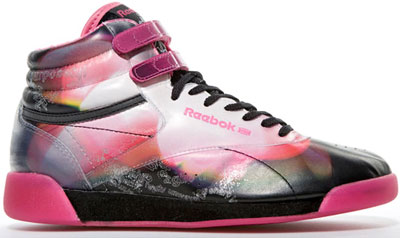
emoretion by John Maeda

If we could provide a better vision of life, the way to prove it is to make it into any possible design works. So, a designer now should not only have professional skills but also keep improving life and trying others not try.
more info:
The laws of Simplicity
Reebok * Maeda


星期五, 5月 30, 2008
產品設計師如何保護自己
初生之犢不畏虎、設計師要謹慎
透過MonsterBag的目前研究與行銷經驗,開始可以注意到一些對於保護新手產品設計師(以創業為前提)來說很重要的事情,雖然產業越來越重視設計,標榜設計的通路也越來越盛行,但是對於正在努力的設計師來說,在台灣還是很容易被忽略以及抹煞設計師的價值,因為做設計的普遍不知道如何應對商業機制(若知道的話,就容易自己產生操作商業機制,邁向獨立創業的路了。),依我了解從下往上爬的這種創業型設計師,要成功的,作法上大多是從開發開始自己設計到製造、行銷都自己主導,譬如我朋友studio22、flexible Love、risd的學生(忽然找不到網頁)、到Crispin Jones等,都是跑全程的好例子。
在台灣的狀況,以設計為導向的產品或商品,設計師特別要小心在行銷過程中,原創的設計價值容易被轉移到行銷角色上,甚至直接被抹煞,尤其是「設計師沒有資金的時候」,需要和行銷或製造領域合資的狀況時,,容易失去主導權,當碰到設計價值要轉移到他人手上的狀況,對設計師來說最糟的狀況就是你根本無法表明這是你設計的,別人也無從得知你設計師的價值。
「設計角色的開發成本很難評估」
以用產品設計創業來說,跟不同領域的專業合作前,最好清楚說明「合作設計產出細節」與「權利相關」等前提,(接案子或inhouse designer的狀況不在討論範圍內),產品設計可能會衍生出技術的專利、新型的專利,而到行銷階段時,產品衍生相關設計如平面設計、網站設計、宣傳概念、空間設計等等會越來越多新手設計師無法掌握的權利問題,譬如說當廠商希望你配合產品去設計一系列新的平面製品,那要買斷平面製品的權利還是算到產品銷售的抽成當中?選擇抽成的話,你又要以什麼為基準。點出這個問題的目的在指出,做設計的「開發成本」很難評估,你的思考、觀察時間、分析能力、design sense要怎麼評估在權利裡面?還是用小時計算?用工作天計算?所以若設計師自己沒有在合作前提出條件,未來再談利益就會顯得複雜。
「能怎麼做?」
所以設計師得知道怎麼保護自己,然而較為可惜的是,沒有錢請法律專家幫忙的話,我也只知道主要就是「一開始訂立清楚的契約」,合作作品一定要保留創作人的姓名表明權,進一步當然就是透過比賽或國家的相關認證去發聲。
我也在學習當中,推薦其他資料
設計專利
IDSA已有出針對工業設計師的相關法律參考文件(非常推薦)
星期二, 4月 29, 2008
老師,學產品設計該用什麼軟體?
 my Alias work in Art Center
今天很高興去了NTPU造型設計系分享目前的設計經驗,不過最讓我印象深刻的事情不是親愛的陳老師的八卦,而是這群大二的學生們,有許多對於產品設計與3D軟體之間的困惑,尤其是當學校課程把Alias Solidworks 3DMax ProE都納入必修課目時,學生怎麼應用?
當他們將這個問題丟出來的時候,讓我回想起自己最早開始用3D軟體時,其實是去補習班學3DMax , 而且在這之前我還先在進大學的暑假先修了AutoCad,而在大學四年期間,我開始自學Rhino跟Alias,這中間的過程的確浪費了很多時間在找尋一個適合自己的工具,若以一個過來人的身份,我有幾個想法,
台灣的產品設計教育似乎普遍在讓學生運用工具上還是傳達了很多台灣業界的代工體需求,這是滿大的矛盾,大家會說「進入業界都要會這個軟體、會那個軟體的條件。」這讓我想到美麗的朋友Mina Wu跟我說她在荷蘭學設計完全不會這些東西,我不是在鼓勵放棄學習軟體,然而我只想點出雖然產品設計教育在台灣非常注重工業製造,但學界長久以來的教職體系,少了與實務設計上的整合,搞得學校在工具的規劃上顯得零零落落,學生們大多不知道為什麼一定要學什麼軟體,而我在Art Center學習時,完全沒有感受到這個問題,老師的教學紮實而有彈性,Fridolin Beisert 在第四個term敎我們如何利用Alias去展現「空間感」「材質感」「設計感」,Marcelo Mezzera在第五個term敎我們怎麼運用solidworks製作擬真的工業產品,學生從課程中感受到軟體讓設計產生深度而不是難度,我想能夠整合這些實務設計師資源的還是得靠整個系的野心跟視野。

回到自我學習本身,去思考自己做設計時,這些軟體能夠怎麼樣的輔助自己處理問題,讓自己的設計五感去操作工具,而不要被這些工具操控。這是最重要的,其實以產品設計來說,3d軟體最重要的是要輔助你與工業生產接軌的過程,而這個將會影響到你進入業界的領域別,譬如說做家具跟做喇叭設計上會不會運用3d軟體就會差很多,因為生產喇叭大多需要模具,設計師3d畫好能夠節省時間跟成本,而家具製作大多得靠師傅的工,而且家具設計更著重結構、材質、比例與時代性,這些靠軟體是不夠的,所以回到設計本質來說,因為除非你很早就知道自己將要成為什麼領域的設計人,不然怎麼知道未來銜接業界所需的條件,因此我認為會什麼軟體不是最重要的,重要的是你自己對立體的掌握、材質技術的充分了解與自我設計概念的建立,才是讓工具能夠發揮的條件。
所以,「老師,學產品設計該用什麼軟體?」
是proE是solidworks是Alias,我想還是先從用心去感受、用手去創作開始吧。
星期六, 4月 19, 2008
What could I do about Cradle to cradle?
 Last Month I went to a speech in Formosa Hotel in Taipei. It was an occasion between Taiwan successful enterprises and Michael Braungart. The author of the book ," Cradle to Cradle ", is one of important contemporary fighter of environmental issues. He recovered lots of negative insights of product industry which are things I didn't understand from my college Industrial Design education. But I did start to accept the impact during the year in Art Center College of Design. I learned how to start a new product concept from not only about how important its functions are but also to define the relationship between product , people and the earth.
I do feel we have the possibility to change the way we design things. What I could do is
1. Keep learning and be humble in front of the nature:understand the designer's capability to apply a new concept, don't just follow what the company wants or the consumer's trend. Designers need to make big difference to apply innovation on nature.
2. Don't blame the role of manufacture: Manufacturers don't really care about nature unless the people who ask them to make things care. So, Don't blame them. We need to find out the way to communicate the value of making a recyclable product.
3. The positive business model: Companies earn money to survive. Need to think of how to increasing value but only to feel shamed of the human existing.
4. Open to cooperate with scientists , educators, manufacturers and any possible professions involved in your ideas.
More Design News of caring our nature .
Seoul Design Competition
Toshiyuki KITA's Natura e Techologia exhibition
星期四, 4月 03, 2008
Philippe Starck Said "Design is Dead"
Fresh...
Check out the newest interview of Philippe Starck
and the discussion from PSFK
This is really important to think about how a famous designer will feel ashamed about his previous works after years. P.S do become a very popular topic in the world. And I know lots of young designers treat him like God father. But there are more complains about how expensive and useless his works are. Especially the environmental issues are coming up. People like Michael Braungart who is trying to change the system of industrial production really work on solutions to the situation. I see this is a very important duty as a young product designer.
However, it is a really tough subject for the development of Aisa market. Because what Braungart tries to do is not only about the companies but also about the education. It needs time.
I still remember Braungart said a survey about Asia's fake products - " Fake brands' products has less toxic elements than real brands. How do you feel about it?" Designers are in an age to make change for the nature, and we need to learn the lesson from the last generation.
星期二, 4月 01, 2008
I hate defective books based on interviews. 我討厭不完美的對話集式的書
 image from Flicker
Few days before, I bought a famous design magazine. It comes with another book called "我不是一本型錄." It is all about the life senses of 許舜英 and presented by interviews. I do love to read how she feels about Dover Street Market、 明星西點麵包、and things she explored. However, these are not what I want to talk about. What I want to say is about the way the content of this book presented. After I read few interview topics of it, I start to feel upset and lose my reading patience. Why? cause I hate the way the interviewer talked and the questions he came up with. This is not the first time I feel about this. At this point, I start to realize that I do have something I tend to like or hate about the content presented in any context format. Such as books, news, flyers, articles. And how the content defined by its author is so so so important to me which I don't really notice it before. This is a very important discovery of myself. It means now I could really feel what I feel about anything I read or see.
Few things I don't like about this type of book...
1. I need to stimulate the real conversation about the interviews. Cause It lacks emotion, talking rhythm, and defined words.
2. I don't like the motif of the interviewer, especially it effects the whole content.
Another question will be involved in this result which is why I bought this book.
Now, we are too easy to get information from every kinds of media. For certain age of people, this is a serious issue. For example, Kids would directly connect to illegal information. But for mature generation, I believe it is a wonderful things for us to have more flexibility making connections with what you like. The only thing we need to work on is what your tools are and how you use them. So I ask myself these questions.
Do you buy magazines by how you really feel about its content?
Do you try to understand why the author presents its work this way?
Do you really need to know these information? why?and how?
How many tools do you use to get new information?
What's the difference from your tool to others?
I start to discover myself again.
星期一, 2月 04, 2008
Hard to make a Freelance contract... man

I think this is a typical problem for designers which is making a correct and reasonable contract to your client and get the case!!!
Ok, for my current study, there are few steps for beginners to start with.
1.Understand why the contract is important.
2.Do the quick salary research on the design field you r in.
3.Get a reliable sample.
4.Making your contract/Pricing your projects
5.Give it to other seniors to define it again.
and, here are some good articles I collected and are quite useful.
followed by the steps.
1.How to price freelance projects successfully. by Ben yoskovits
2.Salary Condition
3.None
4.How to set your hourly Rates
Pricing your projects
5.send it to me...
Still.... the most important thing is to know what u want and get the maximum of it.
Ok, for my current study, there are few steps for beginners to start with.
1.Understand why the contract is important.
2.Do the quick salary research on the design field you r in.
3.Get a reliable sample.
4.Making your contract/Pricing your projects
5.Give it to other seniors to define it again.
and, here are some good articles I collected and are quite useful.
followed by the steps.
1.How to price freelance projects successfully. by Ben yoskovits
2.Salary Condition
3.None
4.How to set your hourly Rates
Pricing your projects
5.send it to me...
Still.... the most important thing is to know what u want and get the maximum of it.
星期日, 1月 20, 2008
談談綠色幻象 Let's talk about Green hallucination. Vol.1
"在未來競爭的世界裡面,綠色不只不是讓人們付出更多代價的產業,反而綠色清淨科技才是真正的競爭關鍵。因為世界是平的趨勢讓各家廠商負擔不起浪費和污染的代價,Wal-Mart要提昇卡車的每公升汽油行駛里程數,只因為他們必須要再降低成本……
因為所有的綠色科技產品都必須要是聰明產品,而只有知識密集產業才能製造的出這種高效率、節能、低排放、低污染的產品,這種產業不可能外包給中國和印度;這些好的、綠色的聰明製造業將會是未來先進國家發展的主要力量!" 以上節錄自朱學恆的blog,在他這篇文章裡有很清楚簡單對目前全球暖化議題的整理,我倒是感到非常訝異,因為少有blogger會對此有興趣,並提出自己的見解,(尤其是朱的文章總是嘻鬧與論點完美結合。)
而我想藉此談談近來的觀察,就從美國Las Vegas最大的電子產品展CES來說說現有趨勢,此展集結全球科技精英企業人士,對以開發電子產品"做生意"上最有效的交流,白話點就是讓公司談賺錢生意的地方,台灣的外貿協會也有參加此展,然而在相關綠色科技的發展上,只可以說嗅到一點點味道,少部份公司有針對新能源的開發,或是產品研發上都有些許應用產出,像是Nokia已有全由環保材質製造的手機,同時也在展中專闢了一區關於Eco friendly區,其中的Eco Sensor Concept,對未來在Wearable Electronic上使用Solar Cell提出了近領域溝通技術NFC的概念,然而以企業的規模而言,對於環境的責任絕對大於提出概念產品罷了,同時該如何影響並教育市場、改變企業文化、修正公司策略等,是一般人或設計師該去觀察的重點,因為這將影響的是下一代的環境。
在台灣對於全球暖化的議題卻始終浮不上檯面,這主要是因為國情與政治關係,那學校教育總該有點遠見吧?Sustainability, eco design等議題出現在設計教育裡少之又少,融入至產品設計開發教育更可說是不可能,單就這點來看大部分台灣的設計學院可說真是閉門造車,難登上國際頂尖的舞台,而好的例子可以從MIT與Art Center中看到端倪,MIT最近公布將有1.4多billions投入energy research projects,而Art Center與企業的緊密配合,最近在INDEX競賽拿下大獎的GE Sponser project,我想點出一個重要的事情,就是設計教育的重要趨勢將會在"Business"與"Technology"的結合帶領出成果,而個體的學習也應該從這方向去思考,關切國際情勢與環保議題是急迫且關鍵的。
Thomas Friedman MIT speech part1 (Check the rest on Youtube)
星期五, 1月 04, 2008
你也想就讀Art Center College of Design?!! Vol.1

Illustration Major Gradshow

2007 fall graduation
 the graduate - Sal's Products
Roel

my locker which recalls the memory of struggling
我遠從臺灣飛來參加今年的在Pasadena的Art Center Graduation Show,除了來看朋友畢業,幾乎沒有貳心,不過真的一到,還是勾起了很多的回憶以及對設計的看法。其實結束美國留學不過一年多的時間,我深深的感覺到自己對兩地設計教育的差異,以及面對自我熱情培養的重要,在台灣常有聽說我的背景後,來提問說 "Art Center怎麼樣?"、"學校教育真的有差嗎?"、"我學到什麼在台灣學不到?"一開始面對這些問題,總能不加思索的回答,然而回台灣久了,卻發覺到更多因為國土民情差異所產生對設計生涯的目標會明顯不同,因為我也是這場島賊與富可敵國戰爭的一員。。。
其實簡單來說,兩地可以分類出幾個大差異
1、國土民情
2、經濟與工業發展背景
3、教育資源與學習環境
4、自我了解與期許
我認為1.2項是少有台灣學子能夠體會而後應用的,白話點說就是很多亞洲學生不過就是看著學校名氣,花爸媽錢來這裡追逐那美麗的Art Center夢想,誰真的知道這學校教育的重點在哪? 台灣人的優勢在哪? 了解美國設計教育歷史背景嗎?
還是只是被學校美麗的Presentation搞得一愣一愣,卻不知道學生都是經過3年左右如台灣升學補習班填鴨式教育的成果,這裡是Art Center College of Design阿! 卻少有人知道誰是Ettoro Sottsass... ,若你也是這樣,那你就是努力培育自己成為美國企業的高級美工,這對懵懵懂懂的年輕設計學子絕對是當頭棒喝,(我不過就是當了一年的白老鼠),這番話,重點不在Art Center好不好(美國設計第一學府!),而是對我接觸與聽聞到的亞洲學生的婉轉諷刺吧!
to be continued...
after party, people gone too wild make the polices call a helicopter to dismiss the crowd.
星期四, 10月 18, 2007
OneLaptopPerChild "Failure 失敗?!!!"

The needs Define Design or Design Define the Needs?
It's Time To Call One Laptop Per Child A Failure. from NussbaumOnDesign
這是在Nussbaum的網誌上看到的一篇聳動文章,也不難想像這之後會引起的廣大討論...
他提出滿清楚的批評,如下
"Foundation is offering a 2-for-1 sale in the U.S. of the beautiful little machine should mark the end of this grand--and deeply flawed--effort."
"Design should be from the bottom up, not top down"
"classic design mistakes of not getting buy-in from groups needed to launch a new product."
OLPC幾乎是近來工業設計的一個指標性的計畫,不但參與的人員優秀,更重要的是計畫主旨是為了第三世界的教育而立,此產品也被INDEX選為能幫助人類發展的創新產品,如今怎被專家冠上"失敗"? 我感到非常好奇,的確也激起了我一些設計上問題,
OLPC的概念,是透過怎麼樣的研究過程產出的結果?如何決定是由"Laptop"這樣的形式來定義使用行為,(白話點說就是 為什麼第三世界的小孩要用laptop而不是其他的產品?) 設計概念是否有效考慮過跨國的問題?政治的立場與經濟的考量如何在發展過程中秉持初衷,不流於商業操作?
進一步,從台灣的電腦產業發展來看,受到OLPC的影響,大廠也相繼推出低價規模筆記電腦,推出所謂99美元電腦,以一個設計師的身分來看,我一直莫名的趕到無奈,台灣的腳步始終無法脫離全球化經濟代工體系的步調,似乎OLPC帶來的思考,只是另一個如何賺錢的商機.
further reading below
NussbaumonDesign
星期四, 10月 11, 2007
CNEX影展作品 "傘" 觀後感

杜海濱
傘
一個站在真實旁觀者的視角,對這片海棠葉承受碩大的經濟雨滴後的震盪,做了一些紀錄,而豐沛的觀點自然隨著影片會沉重的產出,這是眾所皆知的資本主義,造成工商農民兵各階層不同的生活百態所衍生出來的議題,作為一個設計師,這更是嚴肅的道德挑戰,有誰能夠在學習工業設計技巧的同時,能敏感的對社會階級民生變遷做出相對的回應,而非一味的跟隨商業腳步與追求美,當然我認為設計教育跟一個國家在產學官的三角關係上,有直接的影響,經歷美國頂尖級企業導向的Art Center學院教育,以及台灣模糊不清半吊子的設計教育後,對太多議題的好奇與不足產生了我在道德上的責任矛盾感與專業上未來的不確定感,好像是刻意安排般的奇遇,讓我沉寂了好一陣子,一度不想拾起我已經擁有的設計專業,因為身處在台灣,目前我的力量找不到平衡點,然而這還不構成打倒我理念的力量,試著去接觸更多創作者的立場、以及全球性的議題{Global warning & China Economic}、主動的對理念創作,這將是我接下來的信念,也是我希望身為設計師能為社會盡一份力的方法。
星期日, 9月 16, 2007
Wearing a cap is not the same with painting a cap

Fashion or fusion?
Recently,my brother imported some cheap caps from a distributor. We undoubtedly would like to do something creative. Yes, we decided to draw the cap. It is not for any commercial purpose but for fun.
The subject is "Draw something on the cap."
It is quite interesting experience when you try to come up with a idea which is about visual impact and the practical issues of the item. Such as why do you use black colour?, why do you use those elements on it? or why do you choose the material to draw? After this, I start to realize that I tend to ask some questions when it comes to a "design activity." It means I would assume some requirements of the user or set up some scenarios to make me comfortably design. It becomes my part of thinking logic naturally. I don't know if it 's good or not. Fortunately, I still can write down it by myself.
Anyways, I did draw the cap which is the front one of the picture. The drawing is about "Music, mind, and connection."
星期日, 9月 09, 2007
Consious Coincidence

Getting the idea from Jacob Jensen
Some great articles from Jacob Jensen's official website touch my recent mind. After the conference of Kenya Hara and Naoto Fukasawa in Taipei, the topic of "conscious" becomes one of important design thinkings to me. My friend Pink and I decided to create a new blog and make some effort bases on "without thought." (It comes from IDEO's study.) Here is some "coincidence" between designers' mind. Check it out.
.......................................................................................................................................................................
(Below comes from Jacob Jensen's official website)
"With regard to the actual inventive process, I have a tool which I call conscious coincidence.
The way conscious coincidence works is that I begin to draw faster and faster and faster. More and more off the track. In a way, I make a mess of it, ruining my drawings because I am back jammed. I can't get through. I make accidents on what I'm working on.
Afterwards I read these drawing, these conscious coincidences, and then I see: Ha! That, that's damn good! In some way I see the shadow, or whatever it is. That, then, becomes the foundation for the next breakthrough, the next design. And not just design.
New ideas emerge on the functional side..... New functions always bring new forms."
The process
"In my view, constructing a fountain pen, writing a poem, producing a play, or designing a locomotive, all demand the same components, the same ingredients: Perspective, creativity, new ideas, understanding, and first and foremost, the ability to rework, almost infinitely, over and over. That "over and over" is for me the cruelest torture. The only way I can work is to make 30 - 40 models before I find the right one. The question is, when do you find the right one? My method is, when I have reached a point where I think, okay, that's it, there it is, I put the model on a table in the living room, illuminate it, and otherwise spend the evening as usual, and go to bed. The next morning I go in and look at it, knowing with 100 per cent certainty, that I have 6 - 7 seconds to see and decide whether it's right or wrong. If I look at it longer, I automatically compensate. "Oh, it's not too high", and "It's not so bad". There are only those 6 - 7 seconds; then I make some notes as to what's wrong. Finished. After breakfast, I make the changes. That's the only way I know."
The Limitation of Technology
"We are not limited by technical specifications. If the idea is right we always find a way to do it. If the idea is so exciting and sustainable that people say: "We have to have that!", then they find a way to make a chair that can rock, a low profile transformer, a turntable with parallel pick up arm. You name it. The manufactureres don't care if it's difficult. They will spend the money when and if they can see that the idea is so obviously right. There's no excuse, no "Sorry, I can't afford that". It's quite simple. The talented design walks in and proves itself on sight.
If you bring your idea to your friends, which the people you work with or for should preferably be, and if when you put your idea on the table in front of them, you have to explain the idea, then you can just forget it. On the other hand, if you bring your idea and people say, "I'll be damned! How can we make this?", then you are already rolling. The process grabs itself, steers itself, and one is almost shoved aside in the beginning, because the technicians have a problem to solve ... a solution to find."
訂閱:
文章 (Atom)

 發表文章
發表文章

